
Industrial Flooring vs. Commercial Flooring: What’s the Difference & Which Do You Need?
When embarking on a commercial build or an industrial renovation in London, Ontario, one of the most significant investments you will make is beneath your feet. The floor is the most heavily used part of any facility, yet it is often the most misunderstood. Many business owners use the terms "commercial" and "industrial" interchangeably, assuming that any heavy-duty floor will suffice for their needs. However, making the wrong distinction can lead to catastrophic results, ranging from premature cracking and peeling to significant safety violations. At Zak Tiles, we believe that education is the first step toward a successful installation. Whether you are managing a high-tech manufacturing plant or a chic retail space, understanding the engineering behind your flooring is essential for long-term ROI.
Defining the Boundaries: Form vs. Function
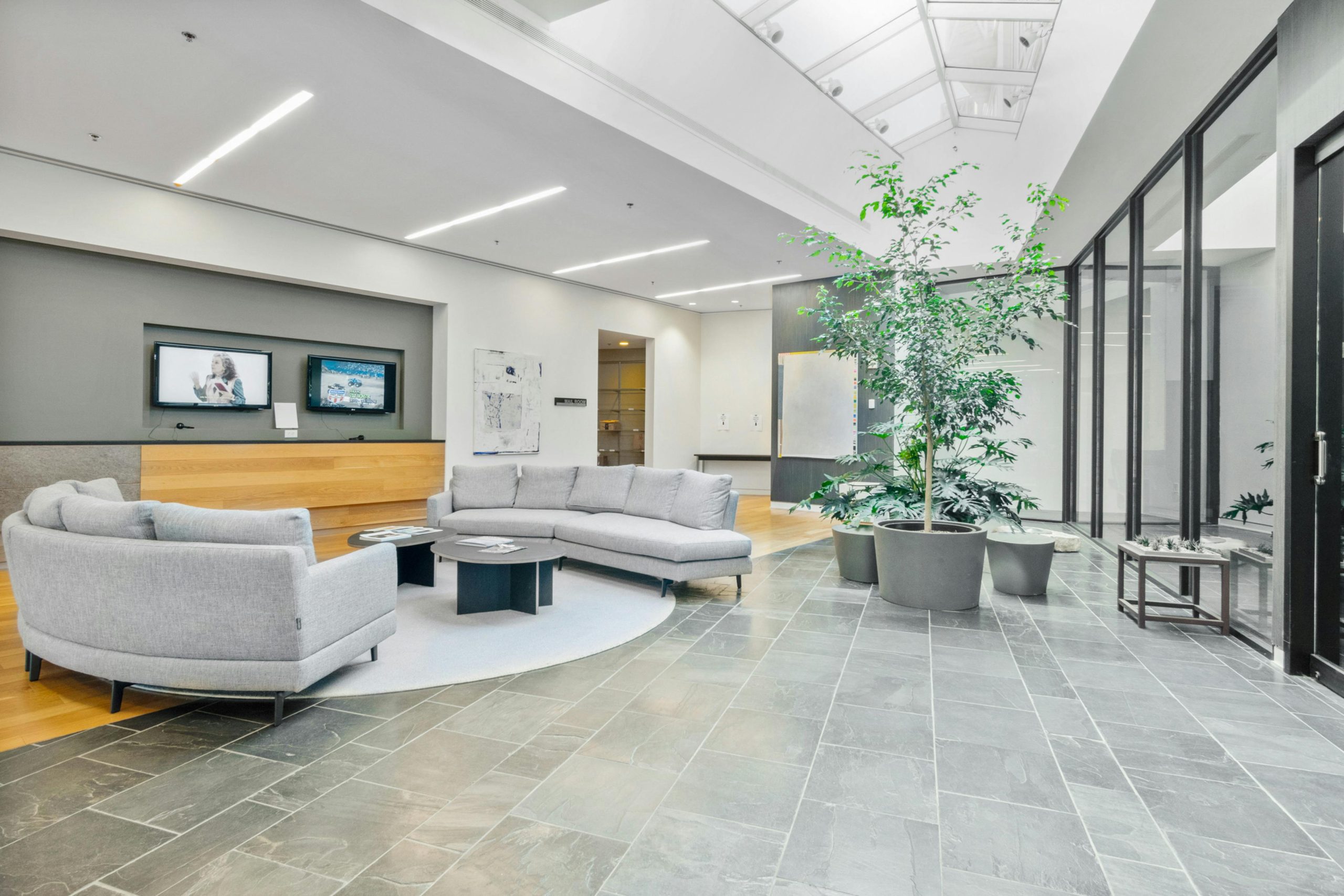
Commercial flooring is specifically engineered for environments that are public-facing. In these spaces, the flooring must perform a dual role: it needs to be durable enough to withstand thousands of footsteps while simultaneously serving as a key element of the interior design. Think of a luxury hotel lobby or a high-end clothing boutique. The floor needs to reflect the brand's prestige, provide comfort for shoppers, and handle the occasional coffee spill or tracked-in rainwater. Common materials include high-grade vinyl flooring, stylish laminate flooring, and even premium marble flooring for that added touch of luxury.
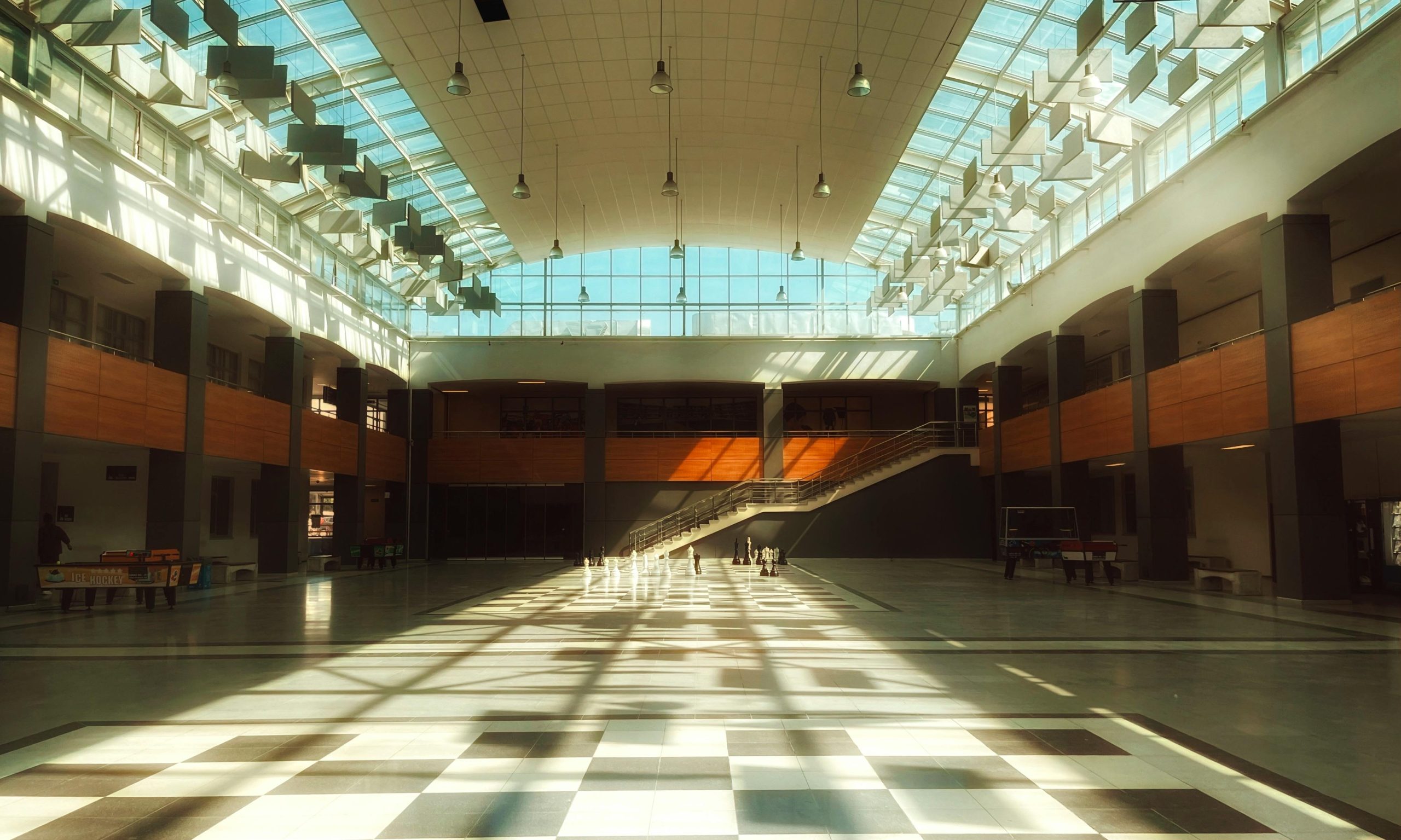
Industrial flooring, by contrast, operates under a completely different set of rules. In an industrial setting—such as a chemical processing plant, a heavy-duty warehouse, or an automotive assembly line—aesthetics often take a backseat to sheer survival. These floors are subjected to stressors that would destroy commercial surfaces in days. We are talking about the "point-loading" of heavy forklifts, the vibration of massive machinery, the impact of dropped heavy tools, and the constant threat of corrosive chemicals. While industrial floors can be made to look clean and professional, their primary mission is to protect the structural integrity of the concrete slab and ensure worker safety.
The Engineering of Durability: Static and Dynamic Loads
One of the biggest technical differences between these two categories lies in how they handle weight. Commercial floors are generally rated for foot traffic and light rolling loads, such as office chairs or cleaning carts. The materials used, such as natural stone or porcelain, are incredibly hard and scratch-resistant, but they can be brittle. If you were to drive a 10,000lb forklift over a standard commercial tile, the point-load would likely cause the tile to crack or the grout to crumble, even if the concrete underneath remained intact.
Industrial flooring systems, often utilizing high-performance epoxy or urethane resins, are designed to be "resilient." This doesn't mean they are soft; it means they have the tensile strength to distribute heavy loads across a wider area. These systems are bonded directly to the concrete at a molecular level, creating a seamless surface that acts as a protective shield. In London's industrial sectors, where manufacturing is a cornerstone of the economy, having a floor that can withstand constant vibration and heavy dynamic loads is not just a preference—it’s a necessity for operational uptime.
Resistance to Chemicals, Heat, and Moisture
The "enemies" of a commercial floor are usually organic: mud, slush, food spills, and general dust. Materials like luxury vinyl are popular in these settings because they are non-porous and incredibly easy to maintain. However, in an industrial kitchen or a pharmaceutical lab, the enemies are much more aggressive. Industrial floors must often resist "thermal shock," which occurs when a floor is hosed down with boiling water for sanitation purposes while the ambient temperature is cool. A standard commercial floor would expand and contract so rapidly that it would delaminate or crack. Industrial-grade urethane cements are specifically formulated to expand and contract at the same rate as the concrete slab to prevent this failure.
Chemical resistance is another area where industrial systems shine. From battery acid to hydraulic fluid, industrial environments are prone to leaks that can eat through standard sealants. At Zak Tiles, we carefully evaluate the specific chemicals used in your facility before recommending an industrial flooring solution. For instance, a food processing plant requires a floor that resists organic acids and inhibits bacterial growth, whereas a machine shop needs a surface that won't degrade when exposed to cutting oils and lubricants.
Maintenance, Hygiene, and Safety Compliance
While both flooring types aim to be "low maintenance," the definition varies by industry. In a commercial setting, low maintenance means the floor looks shiny with just a mop and a bucket. In industries like healthcare or food production, maintenance is a matter of regulatory compliance. These floors must be completely seamless. Any crack, grout line, or corner can harbor bacteria, mold, and pathogens. Industrial flooring often utilizes "integral cove bases," where the floor material continues up the wall for several inches, creating a bathtub-like seal that can be easily sanitized without any hidden crevices.
Safety is another critical pillar. While commercial floors must meet basic slip-resistance standards, industrial floors are often "texturized" to provide grip even when covered in oil or water. We can customize the level of grit in an industrial coating to match the specific hazard level of the room. This level of customization ensures that you aren't just getting a floor—you're getting a safety system that protects your most valuable asset: your employees. Learn more about our commitment to quality on our About Us page.
The Aesthetic Bridge: When Industrial Meets Commercial
In recent years, we have seen a growing trend in London, Ontario: the "Industrial Aesthetic" in commercial spaces. Trendy restaurants, modern tech offices, and boutique gyms often want the look of raw concrete or high-gloss epoxy but within a commercial context. This is where the lines blur. In these cases, we often recommend "hybrid" solutions. For example, a polished concrete floor provides the industrial look but can be sealed with commercial-grade finishes to make it more comfortable and easier to clean for daily visitors. If you are looking for that perfect balance of grit and grace, our stone flooring and polished options offer a timeless appeal.
Choosing between these two isn't just about the current use of the building, but also its future resale value. A well-installed industrial floor can actually increase the value of a warehouse or factory, as potential buyers know they won't have to face the massive expense of a floor replacement. Similarly, high-quality laminate or vinyl in a retail space ensures the business stays modern and inviting for years to come without needing a renovation every few seasons.
The London, Ontario Climate Challenge
No discussion of flooring in London would be complete without mentioning our weather. The Southwestern Ontario climate is brutal on floors. In the winter, the tracking of salt (sodium chloride) and sand into commercial entryways acts like sandpaper on floor finishes. For industrial facilities, the "freeze-thaw" cycle can cause moisture to get trapped in the concrete slab, leading to "heaving" or cracks. At Zak Tiles, we ensure that every installation—whether industrial or commercial—includes proper moisture vapor barriers and sealants that are specifically designed to handle the thermal fluctuations of our region. We don't just apply a product; we engineer a solution for the local environment.
Summary: Which One Do You Need?
To help simplify your decision-making process, consider this final checklist. If your facility involves any of the following, you likely need an Industrial solution: heavy machinery, frequent chemical exposure, high-heat cleaning, or strict health-code compliance requirements. If your facility focuses on customer experience, brand aesthetics, comfort underfoot, and high-volume pedestrian traffic, a Commercial solution is your best path forward.
Still feeling overwhelmed? You don't have to make this decision alone. Our expert team at Zak Tiles is here to walk you through the technical specifications and help you choose a floor that fits your budget without compromising on performance. We invite you to visit our showroom to feel the materials for yourself and see the difference that professional installation makes.
Experience the Zak Tiles Difference
Showroom Address: 35 Beechmount Crescent, London Ontario N6E 2J2
Phone Number: +1 226 224 67 30
Contact Us: Get a Free Commercial or Industrial Consultation
Transform your workspace with a foundation that is as ambitious as your business. Whether it's the sleek durability of commercial vinyl or the indestructible nature of industrial epoxy, we have the expertise to bring your vision to life across London and the surrounding areas.